Mold Removal in Caughlin Ranch, NV
Caughlin Ranch covers about 2,300 acres of foothills on the southwest side of Reno, from the Truckee River up toward the national forest, and it was built out through the 1980s and 90s as one of the city's first large master-planned communities. The homes are custom and semi-custom, many on sloped lots, with mature landscaping, ponds, and a trail system that the owners association maintains.
Slopes and irrigation are the local pattern. A house cut into a hillside has an uphill wall that meets wet ground every spring, and the drip irrigation that keeps the landscaping alive runs against the foundation all summer. Water finds its way into a daylight basement, a crawl space, or the slab edge on the uphill side. Add roofs that are thirty years old and have been patched after more than one winter, and the attic stains follow.
Call this site from Caughlin Ranch and you reach an independent mold provider who serves the community. The provider handles the visit, the plan, and the work. This site is the connection.
Caughlin Ranch mold removal on sloped lots
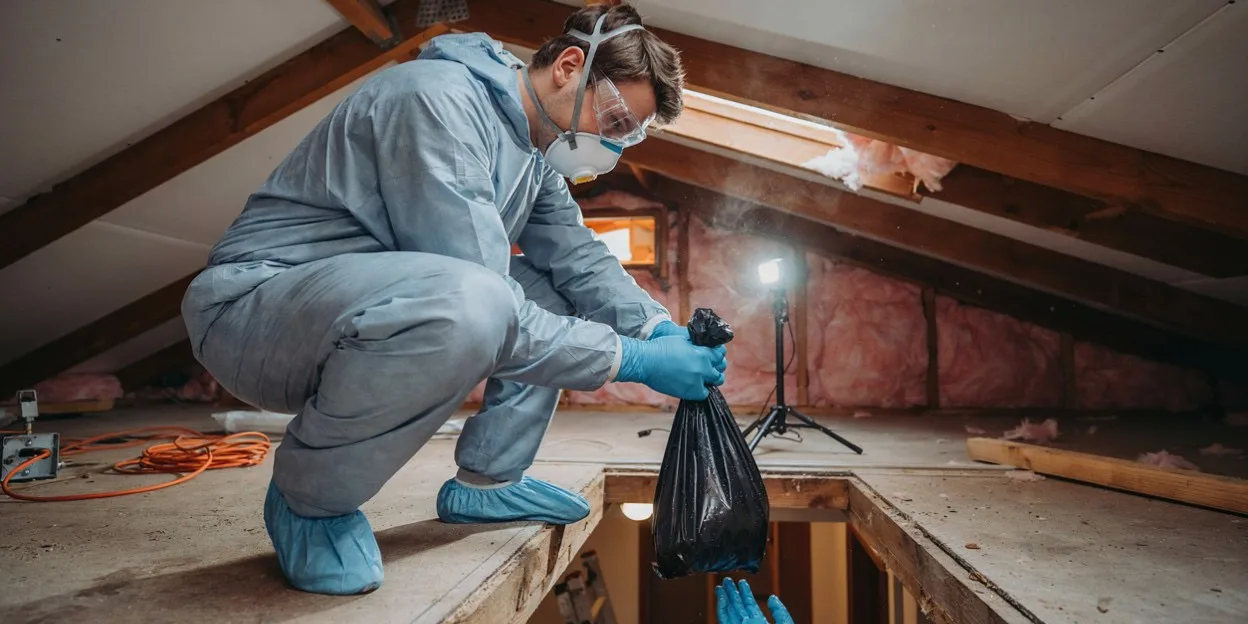
A daylight basement or crawl space on the uphill side that stays damp every spring is what crawl space mold remediation handles here. An attic wet from a patched roof and an ice dam leads to mold removal under containment. Once the walls are open and dry, mold damage repair matches the custom finishes so the patch does not show.
Where to call in Caughlin Ranch
The Caughlin Ranch Homeowners Association office on Caughlin Crossing handles architectural approvals for anything visible from outside, including a roof or grading repair after water has come into the house. Caughlin Ranch is inside the Reno city limits, so rebuild permits go through the City of Reno.
Call (775) 459-9573 to be connected with a local mold provider serving Caughlin Ranch.
Services Available in Caughlin Ranch
Mold Removal
Containment, negative air, HEPA cleaning, and removal of wet drywall, trim, and insulation after a leak in a Reno home, with the source fixed.
Black Mold Removal
Dark growth handled under full containment. Color does not name the species, and the process is the same: find the water, remove what is porous.
Whole-Home Mold Remediation
Room-by-room containment and removal after a burst pipe, a long roof leak, or a house that sat closed with a leak running all winter.
Crawl Space Mold Remediation
Joists, subfloor, and insulation under older Reno homes cleaned and dried, with the plumbing leak or ground moisture that fed it addressed.
Bathroom Mold Removal
Mold behind vanities, in ceilings, and inside walls from a fan that vents nowhere or a slow leak, the most common first call in tract homes.
HVAC Mold Cleaning
Furnace cabinet, coil, swamp cooler, and duct cleaning when the musty smell shows up every time the system runs.
Mold Odor Removal
Finding and removing the damp source behind a musty smell that survived cleaning, then treating surfaces and air so it stays gone.
Mold Damage Repair
Drywall, baseboard, insulation, and subfloor put back after removal, once the framing reads dry and the leak is fixed.