Mold Removal in Damonte Ranch, NV
Damonte Ranch is the master-planned community in south Reno at the base of the Sierra, built on a working ranch from about 2000 on. The homes are two-story stucco on slabs, in sub-neighborhoods with their own associations, around a high school, a town center, and a wetland that the ranch's old irrigation ditches still feed. That wetland is the clue to the ground here: the water table is high, and the community has its own drainage district to manage it.
High groundwater and slab homes are a specific combination. Moisture comes up through the slab into flooring and the bottom of drywall, especially in a garage or a ground-floor room on the low side of a lot, and it shows up as a damp baseboard or a laminate floor that has cupped. Upstairs, the pattern is the same as every other 2000s subdivision: bathroom fans, tub drains, and a ceiling below that stains after a slow leak.
When a Damonte Ranch homeowner calls this site, the call goes to an independent mold provider who serves south Reno. The provider handles the visit and the work. The site is the connection.
Damonte Ranch mold removal in slab homes on wet ground
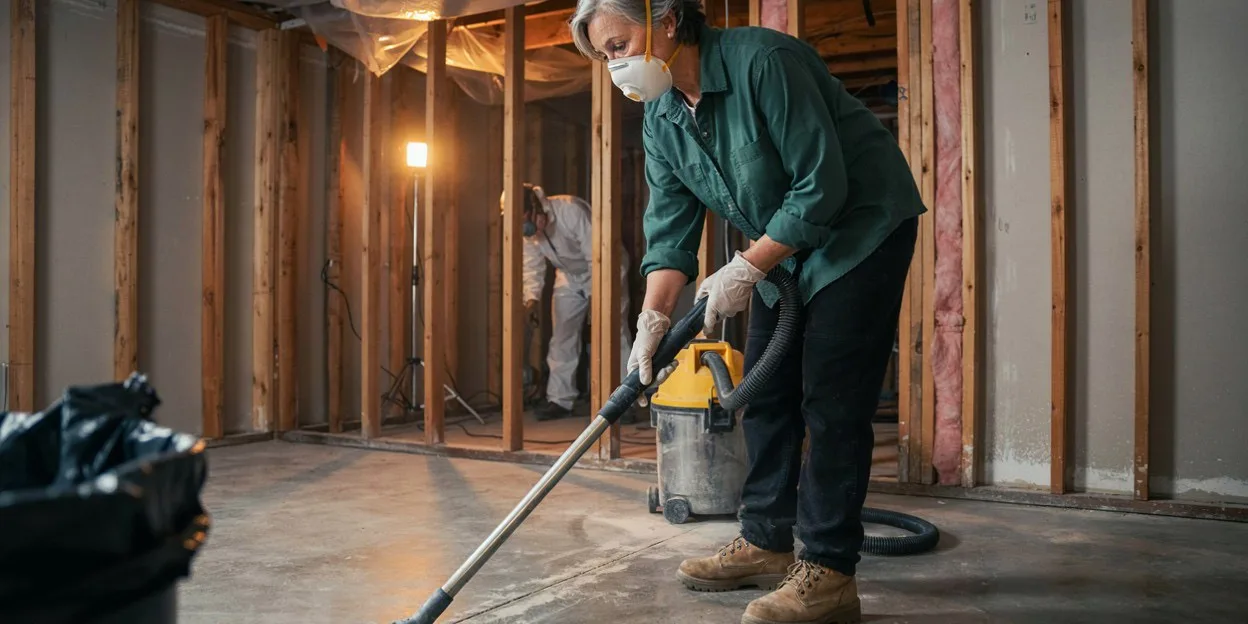
A damp baseboard or a cupped floor on a ground-floor slab is handled by mold removal under containment, with the crew reading the slab to see whether the water is coming up or coming from a pipe. Upstairs leaks into a downstairs ceiling lead to bathroom mold removal. When the smell is in the ducts, HVAC mold cleaning covers the air handler and the attic runs.
Where to call in Damonte Ranch
Damonte Ranch owners belong to both the landscape maintenance association and the drainage district, and the community site is where the rules for each live. That drainage district exists because of the water under this ground, which is worth knowing before anyone tells you a wet slab is unusual. Damonte Ranch is inside the Reno city limits, so rebuild permits go through the City of Reno.
Call (775) 459-9573 to be connected with a local mold provider serving Damonte Ranch.
Services Available in Damonte Ranch
Mold Removal
Containment, negative air, HEPA cleaning, and removal of wet drywall, trim, and insulation after a leak in a Reno home, with the source fixed.
Black Mold Removal
Dark growth handled under full containment. Color does not name the species, and the process is the same: find the water, remove what is porous.
Whole-Home Mold Remediation
Room-by-room containment and removal after a burst pipe, a long roof leak, or a house that sat closed with a leak running all winter.
Crawl Space Mold Remediation
Joists, subfloor, and insulation under older Reno homes cleaned and dried, with the plumbing leak or ground moisture that fed it addressed.
Bathroom Mold Removal
Mold behind vanities, in ceilings, and inside walls from a fan that vents nowhere or a slow leak, the most common first call in tract homes.
HVAC Mold Cleaning
Furnace cabinet, coil, swamp cooler, and duct cleaning when the musty smell shows up every time the system runs.
Mold Odor Removal
Finding and removing the damp source behind a musty smell that survived cleaning, then treating surfaces and air so it stays gone.
Mold Damage Repair
Drywall, baseboard, insulation, and subfloor put back after removal, once the framing reads dry and the leak is fixed.